


Soft skills are essential for success in the workplace. They can help you increase productivity, foster better working relationships and build trust between yourself and your co-workers. Having strong soft skills can also boost your confidence and make it easier to handle difficult tasks or transitions. Examples of some key soft skills include communication, problem-solving, creativity, and resilience.
But arguably the most important soft skill is teamwork. It’s an essential part of any successful workplace. Working together as a team allows you to combine different skill sets and perspectives to achieve a greater goal. This is especially important for larger projects or tasks that require collaboration between multiple people. Working together as a team helps build trust and ensures everyone is working towards the same goal.
But teamwork can look different between businesses, industries, and even people. In this article, we explore the meaning of teamwork, its benefits, and strategies for success in different environments.
What is the meaning of teamwork?
At its core, teamwork means collaborating with others to achieve common goals in an effective and efficient way.
However, the meaning of teamwork can vary depending on the people involved, the nature of the work, and the environment.
For some, teamwork is about open communication and sharing ideas. For others, it’s about trust, reliability, and ensuring everyone contributes effectively to the group’s success. In fast-paced industries, teamwork might mean quick decision-making and collaboration under pressure, while in creative fields, it could focus on blending diverse perspectives to foster innovation.
Why is teamwork so important? The benefits of teamwork
Teamwork is critical in any organisation, and it’s important to understand why. Not only does it help employees feel connected to their colleagues, but it also increases productivity, communication, and collaboration. Working together effectively as a team results in better decision-making, innovation, problem-solving skills and effective conflict resolution.
Teamwork can also help reduce stress levels by sharing responsibility among members of the team. In addition, having a shared goal encourages cooperation, trust and respect between teammates. It can even help build morale and camaraderie within the workplace which can lead to increased job satisfaction and motivation for everyone involved.
The role of team leaders
Team leaders play a pivotal role in guiding teams toward success. They set the tone, establish expectations, and ensure that team members have the resources they need to thrive.
A strong leader helps their team stay focused and motivated by:
- Providing vision and direction: A team leader articulates the team's goals, vision, and objectives and provides a clear roadmap for achieving these goals and set expectations for the team.
- Facilitating communication: A good team leader ensures that information flows smoothly within the team by facilitating open dialogue, encouraging feedback, and addressing any communication barriers.
- Setting objectives and prioritising tasks: A good leader sets clear, achievable objectives, ensures team members understand their roles and responsibilities, and helps the team prioritise.
- Ensuring accountability: The team leader holds team members accountable for their responsibilities and results. They should also address any issues related to performance to ensure everyone is contributing to the team's success.
The importance of diversity in teams
Diversity in teams not only enriches the workplace but also brings tangible benefits to team performance. A diverse work environment brings together different perspectives, leading to more creative problem-solving and innovative solutions. It also fosters a sense of inclusion among employees, which enhances morale and motivation.
Diversity is often discussed in terms of race, ethnicity, gender, sexual orientation, and other demographic characteristics. While all these elements of diversity are important, “cognitive diversity” addresses the variety of perspectives and viewpoints each member of the team brings. Cognitive diversity includes different ways of thinking, processing information, and making decisions. It’s this cognitive diversity that turns differences into strengths.
Cognitively diverse teams are better equipped to solve problems, innovate, and adapt to change. Cognitive diversity enhances creativity and innovation by bringing together individuals with diverse backgrounds and experiences. This variety sparks new ideas and prevents groupthink, leading to more collaborative and well-rounded solutions. Cognitively diverse teams also tend to be more adaptable and flexible, better suited to handling change, disruption, and uncertainty.
Why do some people struggle with teamwork?
Unfortunately, despite its many benefits, some people still struggle with working in teams. This could be down to a range of issues such as a lack of trust and communication between team members, difficulty in understanding their individual roles, or feeling frustrated when they are not able to use their skills effectively. It can also be difficult for someone who is used to working independently and having full control over their own tasks.
Even so, everyone needs to learn how to work collaboratively if they are going to succeed professionally, but improving teamwork requires effort and practice. To enhance your or your team’s teamwork skills, consider the following strategies:
- Active listening: Being a good listener is key to effective teamwork. Active listening involves focusing fully on the speaker, acknowledging their points, and providing thoughtful responses.
- Constructive conflict resolution: Conflicts are inevitable in any team. But resolving disagreements constructively can strengthen the team. Open dialogue and finding common ground are essential.
- Delegating and clarifying roles: Clear roles and responsibilities prevent confusion and ensure everyone knows what’s expected of them.
- Encouraging open communication: Team members should feel comfortable sharing their thoughts.
- Implementing collaboration tools: Tools like Slack, Trello, and Zoom make teamwork easier, especially for remote teams.
What does teamwork mean to you?
We’ve all been asked this question, whether it’s at a job interview, during a performance review, or on the sports field. The question is designed to see if you’re a team player and can thrive in environments where collaboration is key.
But teamwork can mean different things to each person because everyone brings their own set of skills and experiences to the table. Some people may see teamwork as a way to build relationships and collaborate, while others may view it as an opportunity for problem-solving or learning new skills.
Teamwork is versatile and can be tailored to fit any situation or goal. The key is finding ways to use team dynamics to bring out the best in every individual, no matter what skill level they are at. With the right attitude and communication, teams can become highly productive and successful when working together. By recognising everyone’s strengths and weaknesses, it is possible to create a strong team that can take on any challenge.
Ultimately, successful teamwork can mean achieving great things together and helping each other to grow. It is all about finding a way to use the combined skills of each individual in order to reach new heights. With a clear understanding of what teamwork means to each person, teams can work together harmoniously and create something truly special.
There’s no single way to answer the question, “What does teamwork mean to you?”, so if you’re faced with this question, it's important to personalise your answer while demonstrating a clear understanding of teamwork. Here's how you can structure your response:
- Begin by defining teamwork in your own words: You might say, "To me, teamwork means working collaboratively with others to achieve a shared team goal. It involves mutual respect, open communication, and the willingness to support one another."
- Highlight the value of communication and collaboration: You can emphasise, "Effective teamwork requires not just doing your part but also actively listening to and helping your teammates. It's about ensuring that the team succeeds as a whole."
- Share a personal example: Illustrate your point by describing a situation where you contributed to a successful team effort.
- Tailor it to the situation: Connect your response to the role you're applying for or the team you’re currently in if this relates to a performance review or sports team. Mention how teamwork helps you succeed, like, "In this role, I believe teamwork will be critical in meeting client deadlines and producing quality results."
What defines a “good team”?
An effective, successful, or “good” team is one with clear goals, a strong leader, great communication and a diversity of perspectives. Some of the most important factors that contribute to the effectiveness and success of a team are:
- Clear team goals and objectives: A good team has a clear sense of purpose and direction. They know what they’re working towards and understand the goals they need to achieve.
- Effective communication: Open and honest communication is vital for good teamwork. Team members should feel comfortable sharing their ideas, feedback, and concerns.
- Diversity of skills and perspectives: A good team often includes members with a variety of skills and viewpoints. This diversity can lead to more creative solutions and better decision-making. Read up on cognitive diversity for another look at how diversity of thinking can make for more effective teamwork.
- Accountability: Team members take responsibility for their actions and contributions. Accountability ensures that everyone is committed to the team’s success.
So what does teamwork actually mean?
Most definitions of teamwork describe cooperation: people getting along, pulling in the same direction, helping each other out. All good things — and none of them are what makes a team effective.
A more useful definition: teamwork is the deliberate use of the thinking your team doesn't naturally reach for.
Every team has a default. Some are quick to the data and slow to the human impact. Others are warm and aligned but never pressure-test the plan. The gap isn't a skills gap — it's a quadrant nobody in the room owns, and it stays uncovered because everyone assumes it isn't their job.
Three things this changes in practice:
Spot the thinking your team keeps skipping. In your last three significant decisions, which question never got asked? What do the numbers say? How will this actually work? Who does this land on? What are we not considering? The one that's consistently missing is your team's blind spot.
Assign it on purpose instead of hoping someone covers it. Name it before the meeting, not after the decision. “In this one, you're the person asking what we're not considering.” It feels artificial the first time and normal by the third.
Turn goodwill into better decisions. Goodwill gets you a team that enjoys working together. Coverage of all four kinds of thinking gets you a team that catches the thing that would have cost you six months.
Boost your team’s effectiveness with Whole Brain® Thinking
The workplace is a collaboration of all the different Thinking Styles™, and there’s no one size fits all approach when it comes to motivating and developing your teams.
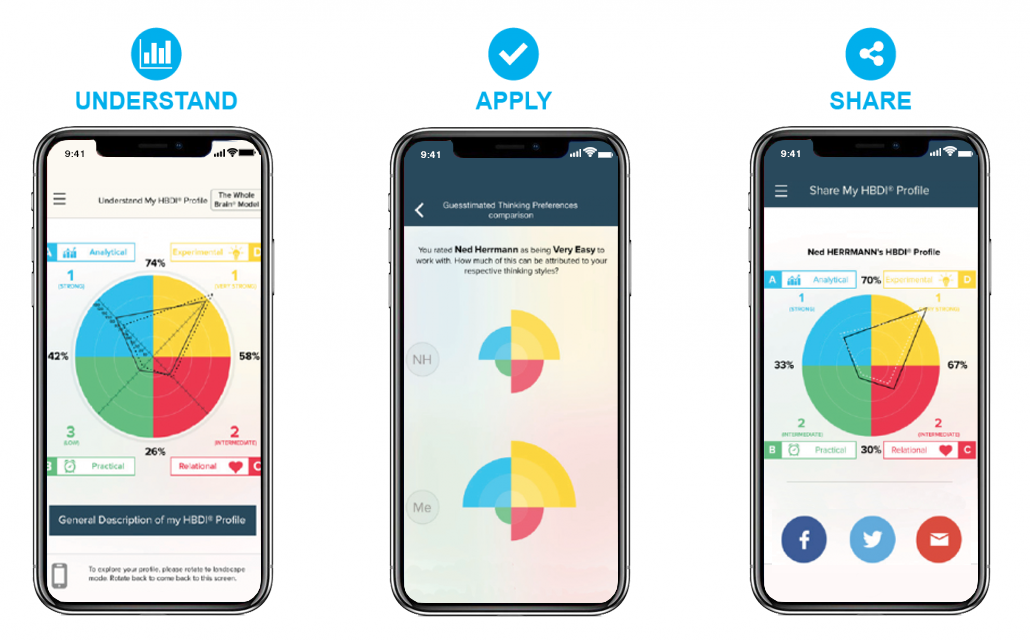
Understanding your employee’s thinking styles allows you to build an inclusive and collaborative team environment. Team effectiveness programs can be crucial in not just improving the effectiveness of your current teams, but also allowing you to identify new teams that could work together with great efficiency.
With Whole Brain® Thinking and the HBDI® at the centre of it all, employers can get to the heart of how to create, retain and build high-performing and effective teams.
Investing in team effectiveness with Whole Brain® Thinking may help your organisation:
- Increase efficiency and effectiveness
- Boost employee job satisfaction
- Improve employee retention
Many businesses try to implement team effectiveness initiatives in their workplace. But without the right tools and support for these initiatives, they often end up lacking any real value and can’t end up answering the most critical question, ‘what makes an effective team?’
At Herrmann, we empower employees and HR professionals to use Whole Brain® Thinking to ensure a real and lasting impact when forming effective teams.
FAQs
What is teamwork?
Teamwork is the collaborative effort of a group of individuals to achieve a common goal or complete a task in the most efficient and effective way. It involves communication, coordination, and mutual support among team members.
Why is teamwork important?
Teamwork is important because it allows people to pool their strengths and knowledge to solve problems and achieve goals more efficiently. It fosters creativity, improves productivity, enhances job satisfaction, and builds strong relationships among team members. Teamwork also helps in distributing the workload and reduces stress on individuals.
What is “good teamwork”?
A good team is characterised by clear goals, open communication, mutual respect, diversity of skills, and strong leadership. Each member should have a defined role and be committed to the team's objectives.
What are the key elements of effective teamwork?
The key elements of effective teamwork include communication, trust, accountability, adaptability, and clear role definitions.
How does leadership influence teamwork?
Leadership influences teamwork by setting clear goals, guiding the team, fostering a positive work environment, and resolving conflicts.
What does teamwork with a diverse group mean?
Teamwork with a diverse group means collaborating with individuals who have different backgrounds, skills, perspectives, and experiences. This diversity can enhance creativity, problem-solving, and innovation by bringing multiple viewpoints to the table.
How do you best answer "What does teamwork mean to you"?
When answering "What does teamwork mean to you," it's important to reflect on your personal experiences and values. You might say that teamwork means collaborating with others to achieve shared goals, supporting and being supported by teammates, and appreciating diverse perspectives. Highlight the importance of communication, trust, and the ability to work cohesively as a unit.
What makes a team effective, beyond good communication?
Coverage. An effective team makes sure all four kinds of thinking — analytical, practical, relational and experimental — are represented in its decisions, rather than defaulting to the two or three its members happen to prefer.
Discover the following resources to improve team effectiveness in your workplace.
If you want to learn more about how Whole Brain® Thinking and the HBDI® can help you and your organisation, have a look at how it works here or get in touch and we’ll help you find the right solution.